Gambia November 28 - December 5, 2003


A Birdseekers organised tour led by Nick Bray, Tim Marlow, and local guide Soloman. From their brochure...
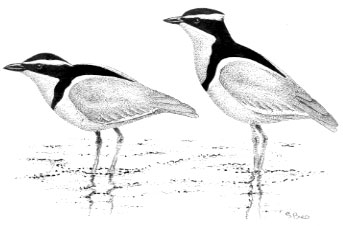
A trip to this beautiful, yet tiny country provides the perfect introduction to African birdwatching. Situated on the coast of west Africa it is surrounded by Senegal, and as a narrow finger of land it follows the Gambia river for some 200 miles.A former British colony it is a very safe and friendly country to visit. We will be based on the coast in the Senegambia Beach hotel, one of the best hotels in The Gambia, with its own beach, swimming pool, and attractive large gardens that host a huge variety of colourful and confiding birds. From here we will take daily excursions to a rich variety of habitats including sandy beaches, coastal lagoons, mangroves, savannah and dry forest. We will also visit several nature reserves including Abuko which is probably The Gambia's most famous birdwatching spot. A highlight of this tour will be trip inland to Tendaba, from where we will take a boat and explore the mangroves, as well as visit a wetland where we can see the much sought after and mythical Egyptian Plover.

Weather
Hot throughout, but rarely to hot to stop birding. Overnight rain on 29th-30th.

Itinerary
28/11 Flight from London Gatwick to Banjul; bus to Senegambia Hotel
29/11 Kotu sewage ponds; Kotu Creek; Fajana golf course; Yundum
30/11 Abuko
1/12 Ferry from Banjul to Bara; drive to Kaur Wetlands; ferry from Fara Fenni and drive to Tendabi (where spent night)
2/12 Kiang Crawl Creek; Kiang West National Park; drive to Senegambia Hotel
3/12 Mankissa; Darsilami; Tanji
4/12 Mandinah rice fields; Pirang; Faraba-Banta bush track; Seleti water holes (Senegal)
5/12 Brufut; bus to Banjul for flight to London Gatwick

Bird Checklist

Other Wildlife
Nile Crocodile - Two at Abuko
Nile Monitor Lizard - several, as well as several small Monitor Lizard (different sp.?)
Puff Adder - after dark near Tendabi
Fiddler Crab - common around the coast
African Monarch - the only butterfly positively identified; there were numerous butterflies, but seemingly mostly of about five different species; on 29th, an obvious migration of millions of white butterflies heading south began in the late morning before suddenly turning into just just a trickle in comparison in the early afternoon
Gambian Sun Squirrel - seen most days
Fruit Bat sp. - seen in evenings
Red Colebus Monkey
Green Vervet Monkey
Red Patas Monkey